
A Doctor of All the Problems
Today I received my PhD certificate, and I have spent the whole day reflecting on a chapter where literally nothing went my way: from choosing a topic to defending my dissertation.
Despite being a professor’s daughter who knew the challenges that come with a PhD, I romanticised this journey wherever I could, because I genuinely enjoyed creating something new in this world. But today I want to talk about the so-called failures, which, ironically, are what gave me my PhD.
I started out desperately wanting to work on the conceptual side of static analysis, only to have to change my topic almost a year in. I was at a crossroads: should I choose a more theoretical topic, or a more applied one that caters to actual stakeholders? I chose the latter, thinking it would make my publication journey that much easier. By this time, I had heard, “You need multiple A/A* papers to graduate with a distinction.” So naturally, the illusion of “ease of publication” was a big factor.
Reality came knocking, rather harshly, all through 2023 and 2024, with a rejection almost every other quarter. It was exhausting, more so because my work quickly turned interdisciplinary and I was trying to publish it in different communities. Much of it had too much of a privacy focus for security venues, and not enough engineering for software engineering venues. What’s more, my peers were doing well and publishing at A/A* conferences, while all I was collecting were rejections and reviews saying my work lacked “novelty”. Around this time, I started getting the impression that academia tends to reward research that is more straightforwardly publishable.
So around June 2024, I decided to quit my PhD. But there was just one problem: I was enjoying my work. No, not the rejections. But everything up to the point of rejection was fun. However empty my Google Scholar looked, I truly believed I was doing important work. So, after a lot of thought and an insane amount of encouragement from my life partner, I decided to give it another go. And things changed quickly, in a matter of months.
I set my ego aside and submitted a few papers to a workshop whose accepted papers could be invited as journal extensions. This worked, and there was peace for a few months. Then came the biggest curveball my PhD threw at me: my journal extensions sat in the review pipeline for close to a year without ever reaching reviewers. Despite many follow-up emails from both me and my advisor, we only got answers a year later. Unless withdrawn, the papers couldn’t be submitted elsewhere, and there was nobody we could reach to withdraw them. By then I felt like nothing was in my control (and it probably wasn’t). But, oh yes, that one problem persisted: I was still enjoying my work.
Around this time, my work started being recognised by the communities it was actually relevant to: legal experts, data protection officers, privacy experts, and compliance professionals. I was invited to present at their annual conference, and I decided it was perhaps worthwhile to just finish my PhD, with or without papers.
Because I was so passionate about this work, I kept forming collaborations and writing papers, and things only really turned around in 2026, when four of my papers were suddenly accepted. My mind went from “I’ll pass my PhD without any papers” to “Maybe I can get a distinction!” And it is that latter thought that, let’s say, ruined the rest of my year (and is very much the reason I am writing this).
I wrote up my thesis, submitted it, and received reviews that, for the first time in my career, made me cry tears of joy. I finally felt appreciated and heard. There was just one small problem. No, not the recurring one this time: I wasn’t clear on the rules, and my reviews, while good, were not good enough for a distinction. After being told that my defense was graded “outstanding”, I learned my thesis had been graded one step below the distinction. All I could hear was: “Not enough for a distinction.” Saying I was confused and angry would be an understatement. And, in typical overachiever fashion, I let this ruin what should have been one of the happiest days of my life.

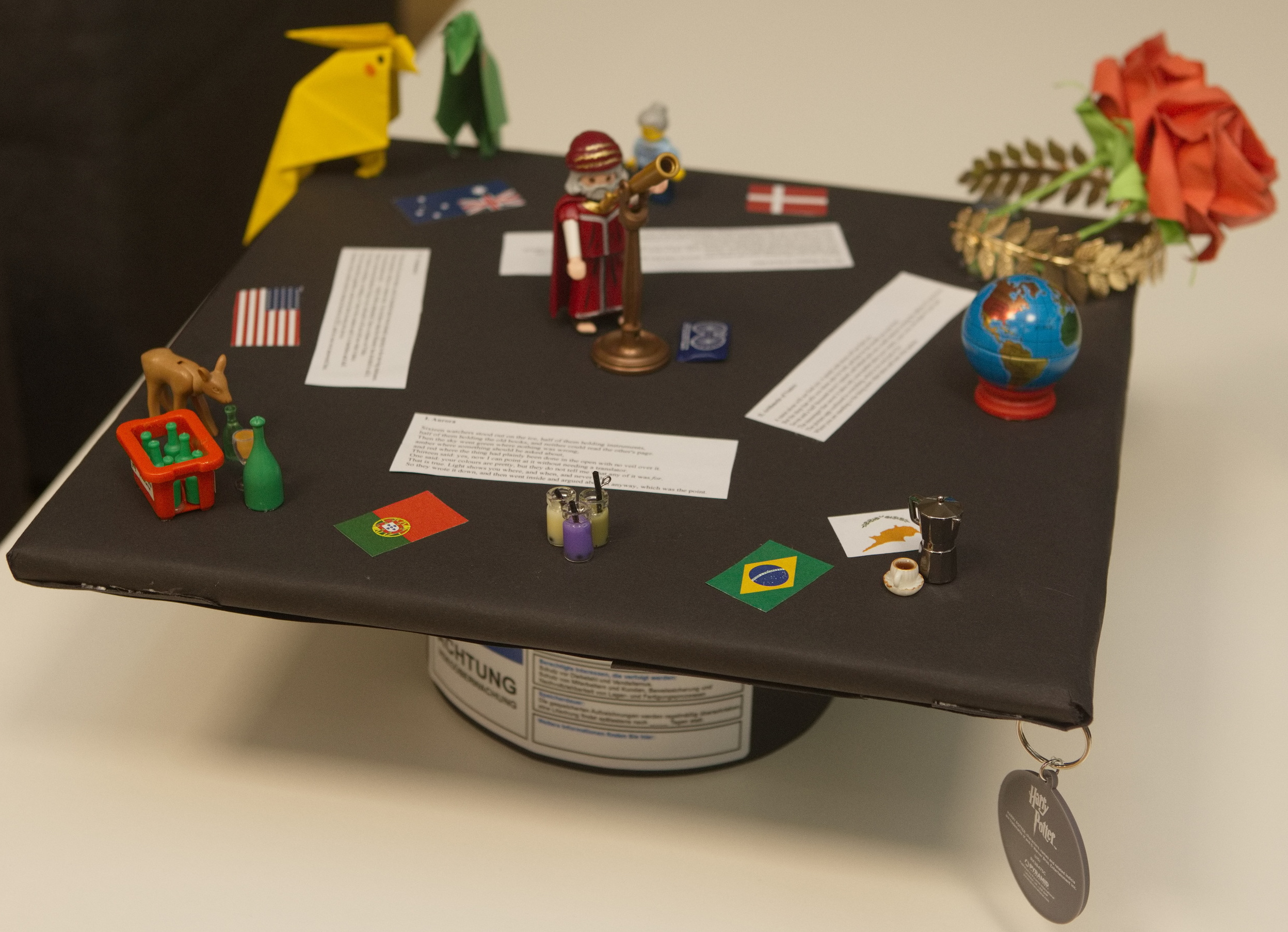
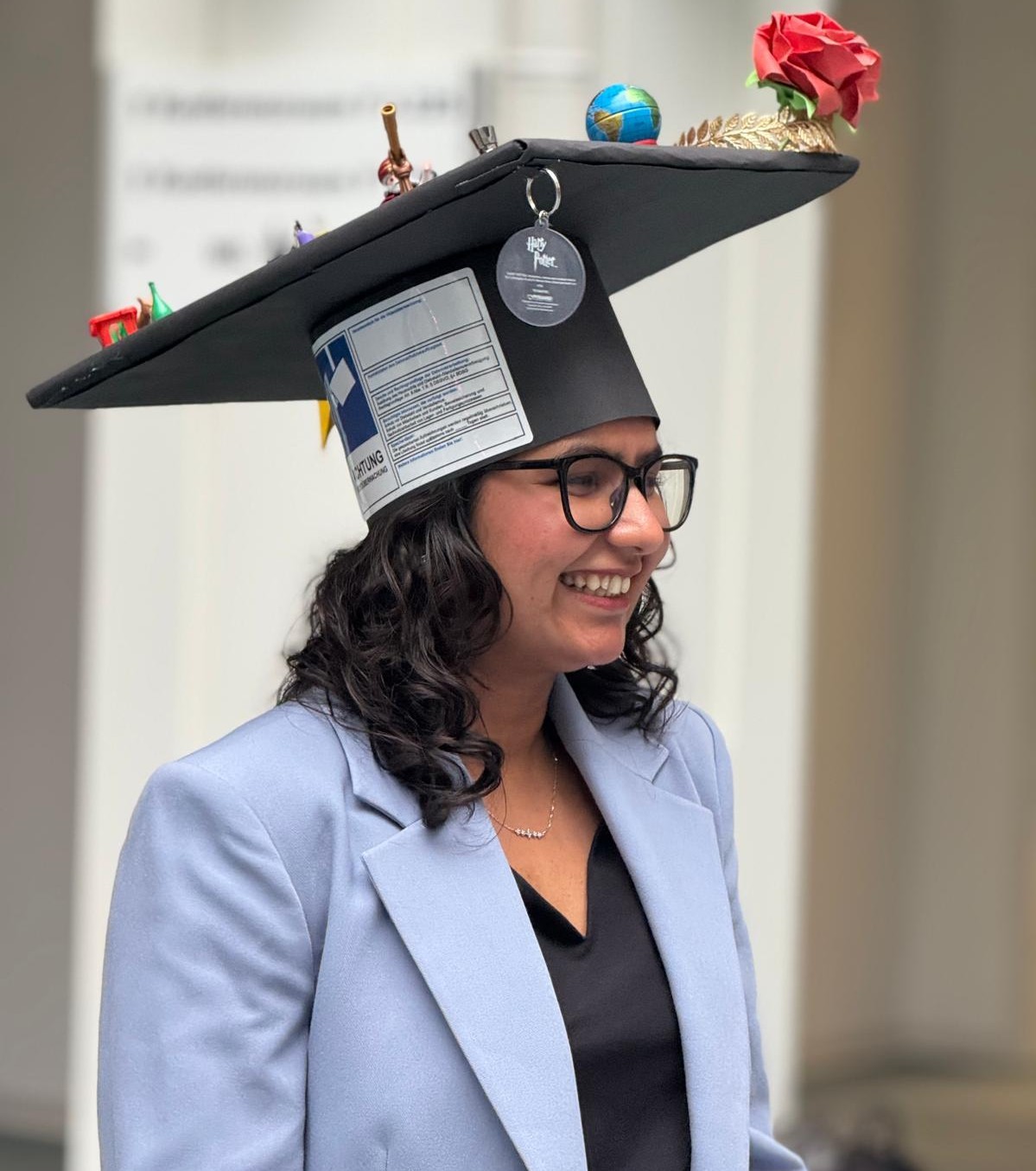
A month has passed since my defense, and I am still not over it. Part of me thinks I’m being petty and superficial, but I have a fundamental problem with grading PhD theses. I don’t think a PhD is just a degree; it is something you adjust your entire life around, and everyone’s journey looks very different. In these five years, I travelled the world, pursued a long-distance relationship and still married the love of my life, became an independent researcher, and took up writing as a hobby. I watched both my own and my husband’s PhD journeys become unnecessarily dramatic and heartbreaking at almost every turn, so getting the “second-best grade” after so many struggles felt like the biggest failure. I let it summarise the last five years of my life. What made things better was an honest conversation with my advisor, and knowing that I have his support irrespective of the “grade” I got.
I am writing this because writing is how I have dealt with everything else in my life. I still think it is extremely unfair that my work was not appreciated by academia the way it was by stakeholders, but I will keep learning along the way. I will not take my journey for granted, and I will make sure that getting this PhD is the least cool thing I have done in my life.